

Summary
- 3 new Indigenous Hospital Liaison Officers (IHLO) have commenced work.
- IHLO help patients feel more comfortable in the hospital setting.
- Play a key role in promoting cultural awareness among hospital staff.
3 new Indigenous Hospital Liaison Officers (IHLO) have commenced work at Torres and Cape Hospital and Health Service hospitals to enhance cultural safety support for patients.
The Liaison Officers are based at Thursday Island, Bamaga and Weipa Hospitals and their role is to assist First Nations patients in navigating their health journey.
This has increased the number of IHLOs at Weipa to two.
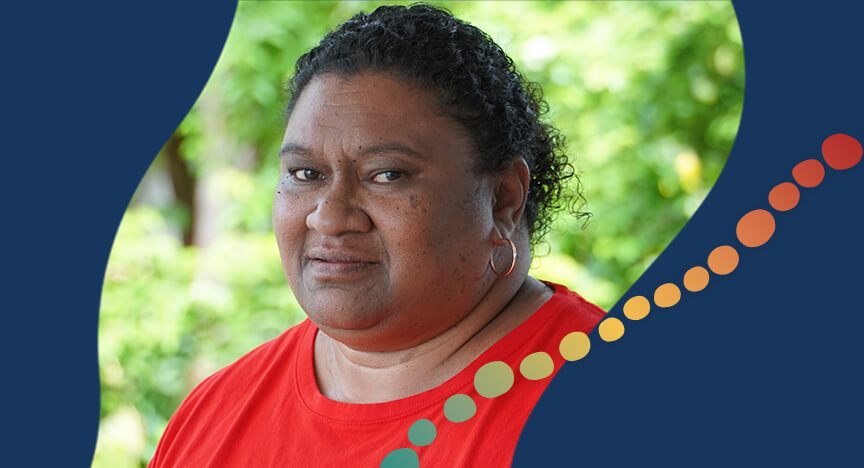
Thursday Island-based IHLO Vera Havili, who is from the Torres Strait, said she saw her position as a vital link between patients and clinicians.
“As part of my role I will visit patients at their bedside to help explain the hospital system, to help them understand the treatment they are getting and how to navigate the health service,” she said.
“Often there is also a language barrier, especially for those from the outer Torres Strait Islands, so I can act as a translator between the patient and their clinical team.
“We also have a lot of patients receiving long-term care in Cairns or other larger centres, so as part of my role I make an effort to check in on them and ensure they feel supported even when they’re away from home.”
TCHHS already had one IHLO based at Weipa Hospital and two at Cooktown, with the three new roles commencing earlier this year.
TCHHS Executive General Manager North Marita Sagigi said the Health Service had engaged in significant community feedback and stakeholder engagement which had assisted in the addition of the three new IHLO roles.
She said the facilities had already received very positive community feedback about the new positions.
“These roles were designed to be that conduit between patients and clinicians because we know how overwhelming a hospital visit can be for some people,” she said.
“Our new IHLOs assist with the patient journey to help them feel more comfortable in the hospital setting.
“Cultural safety is always at the forefront of service delivery for TCHHS and these positions help ensure that safety through providing better ways to educate patients on the care they are receiving.
“In addition to supporting patients, the IHLOs also play a key role in promoting cultural awareness among hospital staff by sharing patient experiences.
“By fostering understanding of local customs, languages, and community expectations, they help build a more culturally responsive workforce and strengthen relationships between health professionals and the communities they serve.”
Read more about Aboriginal and Torres Strait Islander support.